About Charter Space
Charter helps space, nuclear and defense companies insure expensive assets and projects. It combines a licensed brokerage with technology for underwriting specialized risks. Its coverage spans ordinary business policies and spacecraft insurance before launch, during launch and after spacecraft separation. Charter also built software to organize satellite missions, replacing generic tools and manual processes.
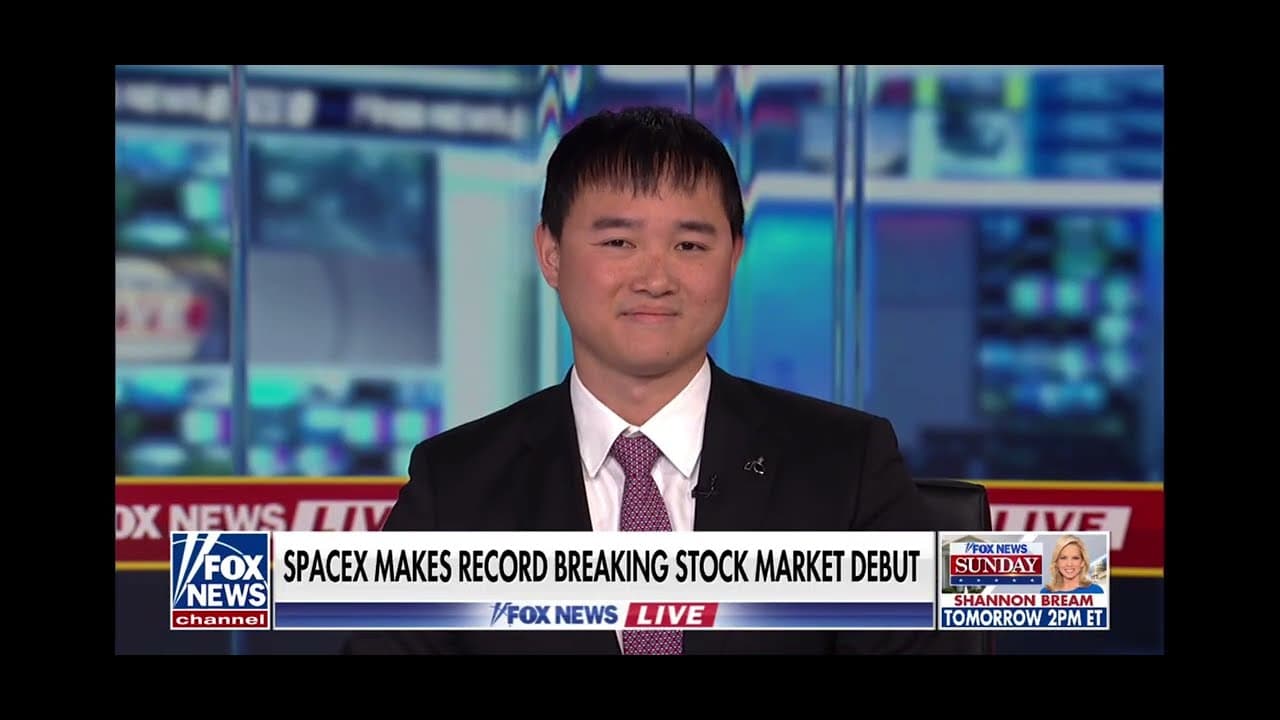
Yuk Chi Chan and Yukun Yin founded Charter in 2021, and Chan is its co-founder and CEO. By September 2026, its brokerage served more than 50 companies across the U.S. space and defense industries. Its backlog represented over $35 million in gross written premiums. Charter operates in El Segundo, California, and Falls Church, Virginia.
Funding Rounds (SEC Form D)
| First sale | Filed with SEC | Amount sold | Investors | Avg. check | Terms | Filing |
|---|---|---|---|---|---|---|
| Oct 28, 2026 | Nov 10, 2026 | $1,500,000of $2.0M target | 1 | $1.5M | OptionsRule 506(b) | Form D ↗ |
| Aug 28, 2025 | Sep 3, 2025 | $3,960,000fully sold | 40 | $99,000 | EquityRule 506(b) | Form D ↗ |
| Total, two offerings | $5,460,000 | |||||
First sale is the date the first investor in the offering committed to invest. Companies must file Form D within 15 days of that date, so filing dates run later.
Rounds announced by Charter Space
What the company said publicly about its funding. Announced amounts can differ from Form D figures: an announcement can combine several closings, and some money is raised without a Form D.
| Announced | Round | Amount | Investors | Source |
|---|---|---|---|---|
| Sep 30, 2026 | Seed | $5 million | Crystal Venture Partners (lead), QED; Blank Ventures; Gaingels; Hustle Fund; other fintech and space investors | Company announcement ↗ |
Why Investors Backed Charter Space
Charter sells insurance and underwriting technology for space, nuclear and defense risks. Its model combines an insurance brokerage with software built around complex missions. Charter argues that projects must be insurable before financial institutions can finance them.
The problem it targets
Satellite teams still rely on old software and manual tools such as paper and whiteboards to manage missions. As many as one in three CubeSats, a class of small satellite, fail within roughly 100 days. More than 4% of commercial small satellites are lost in their first year, with power and communications among the main causes. Charter argues that limited insurance can prevent capital from reaching these industries.
What the product does
Charter began with a single platform for managing the logistics of satellite missions. Its brokerage now arranges commercial policies and specialty insurance for space assets. Coverage can extend from prelaunch work through launch and operations after separation. Charter is also studying a self-powered beacon and data recorder that could preserve spacecraft information during failures.
Progress so far
Charter completed technology pilots with space companies and research groups. It launched its licensed brokerage in May 2026. The company finished in TechCrunch Disrupt’s top five in 2025. In October 2026, Charter and Project Omega began evaluating how long-duration nuclear power could reduce spacecraft risk and extend missions.
Who backs it
Crystal Venture Partners led the seed round. QED and Blank Ventures participated. Gaingels, Hustle Fund and other fintech and space investors also joined. The financing brought Charter’s total funding to $8 million after an earlier $3 million pre-seed round. Jonathan Crystal sees the opportunity in growing commercial space activity and the need to insure more complex risks.
We wrote this summary from public statements by Charter Space and its investors. It is not investment advice.
Charter Space in the News
Leadership Team
Executive officers and directors listed on Charter Space's Form D filed Nov 10, 2026.