About Agape-1
Agape-1 Technology builds AI software that acts as a decision layer for unmanned autonomous vehicles. Its core system is the Threat Detection and Deterrence System (TDDS). TDDS takes in vision, LiDAR, audio and radar data, classifies threats and chooses actions by priority. It can run on ground robots, aerial drones and fixed cameras and sensors, with human oversight. The company designs it for critical infrastructure, energy and utilities, ports and logistics networks, corporate campuses, and public safety and defense.
The company was incorporated in Delaware in 2019 and is based at 1430 Koll Circle in San Jose, California. It holds a portfolio of more than 120 patents and patent applications and has built multiple robot prototypes. Seventeen PhDs carry out its research and development. Howard Ho is acting chief executive officer, chief technology officer and co-founder. Jung Mei (Rosemary) Wang is chief financial officer and chairperson of the board. On August 13, 2026, the company announced a fundraising agreement with Castle Placement LLC to raise up to $8 million.
Funding Rounds (SEC Form D)
| First sale | Filed with SEC | Amount sold | Investors | Avg. check | Terms | Filing |
|---|---|---|---|---|---|---|
| Sep 16, 2026 | Dec 6, 2024amended Oct 19, 2026 | $60,000of $8.0M target | 3 | $20,000 | EquityRule 506(c) | Form D/A ↗1 earlier filing |
| Mar 29, 2024 | May 17, 2024amended Oct 28, 2026 | $989,212of $2.0M target | 36 | $27,478 | EquityRule 506(b) | Form D/A ↗2 earlier filings |
| Total, two offerings | $1,049,212 | |||||
First sale is the date the first investor in the offering committed to invest. Companies must file Form D within 15 days of that date, so filing dates run later.
Rounds announced by Agape-1
What the company said publicly about its funding. Announced amounts can differ from Form D figures: an announcement can combine several closings, and some money is raised without a Form D.
| Announced | Round | Amount | Investors | Source |
|---|---|---|---|---|
| Aug 13, 2026 | Fundraising agreement with Castle Placement LLC (target raise) | Up to $8 million | Castle Placement LLC | Business Wire release ↗ Castle Placement portfolio page ↗ |
Why Investors Backed Agape-1
Agape-1 Technology sells AI software that helps security robots, drones and cameras spot threats and decide how to respond. The aim is to add a decision step between detecting an event and acting on it. The San Jose company was incorporated in 2019 and holds more than 120 patents and patent applications. In August 2026 it signed a fundraising agreement with Castle Placement LLC to raise up to $8 million.
The problem it targets
In Agape-1's view, physical security systems leave gaps between detection, interpretation and response. Sensors pick up events but may lack the context to interpret them. Cameras show what happened but do not decide what to do. People still have to assess each alert and choose a response. That can mean slower response, heavier demands on staff and difficulty monitoring large or complex sites.
What the product does
TDDS works in three layers. Perception senses through vision, LiDAR, audio and radar. Decision uses real-time AI to reason about and classify threats and rank actions by priority. Execution coordinates ground robots, aerial drones and fixed infrastructure. Autonomous mobile robots give on-site presence with detection and deterrence. Aerial drones handle tracking, inspection and situational awareness. For cameras and sensors already in place, TDDS acts as an upgrade layer that needs no hardware replacement. One AI decision layer coordinates all three modes, and human supervision stays part of the process.
Progress so far
Agape-1 has built multiple robot prototypes. More than 120 patents are pending in AI, robotics, TDDS and sensor systems. Seventeen PhDs carry out its research and development. Howard Ho, the acting chief executive officer, holds a PhD in computer science from Yale and is a former IBM Almaden research manager. Bill Lin, senior vice president of vehicular technology, is a former senior fellow at General Motors. Andrew Lin, vice president of navigation, is a former principal scientist at Nokia.
Who backs it
A group of longtime friends and innovators funds the company. In August 2026 it signed a fundraising agreement with Castle Placement LLC to raise up to $8 million. Castle's page describes the goal as growth capital to advance commercialization of an AI governance layer. The board has four independent members. Wan-Lee Cheng is president emeritus of Chung Yuan Christian University in Taiwan. David Fang is an attorney. Larry Wang is a former chief technology officer of ITRI in Taiwan. Stephen Bliss is a West Point graduate and former commander of two U.S. defense agencies.
How the market is moving
In Agape-1's view, the next step for AI is systems that perceive their surroundings, decide under uncertainty and act on their own. The company positions its decision layer as the part that makes that shift possible.
We wrote this summary from public statements by Agape-1 and its investors. It is not investment advice.
Leadership Team
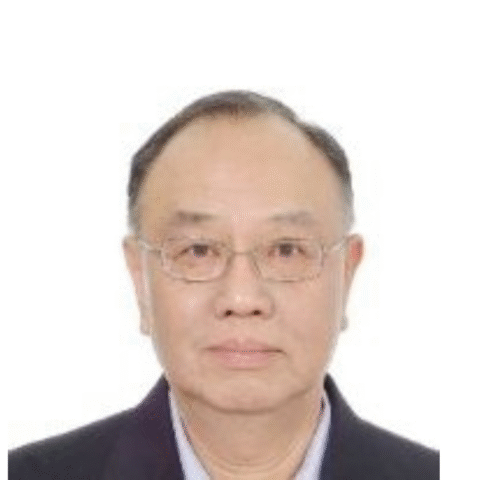
Executive officers and directors listed on Agape-1's Form D filed Oct 19, 2026.